
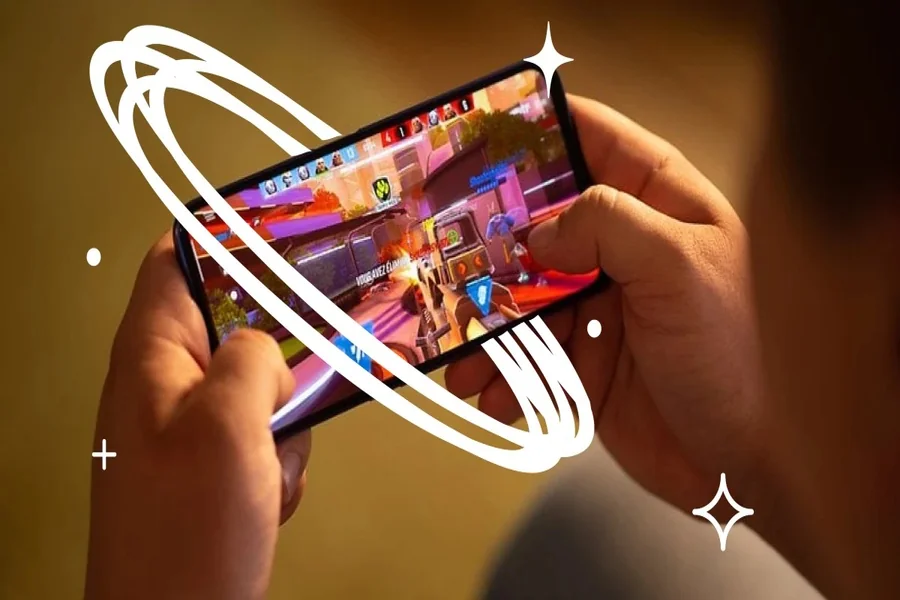
Online Gaming vs Offline Gaming: Key Differences and Benefits
Introduction
Gaming has become one of the most popular forms of entertainment worldwide. With technological advancements, gamers today can choose between online gaming and slot depo 5k, each offering unique experiences and advantages. While online gaming connects players globally through the internet, offline gaming provides a more personal and uninterrupted gameplay experience without requiring an internet connection.
Understanding the key differences between online gaming and offline gaming can help players decide which option best suits their preferences, lifestyle, and needs. In this article, we will explore the major differences, benefits, challenges, and future trends of both gaming modes.
What Is Online Gaming?
Online gaming refers to video games that require an internet connection to play. These games allow players to interact with other players in real time, either competitively or cooperatively. Online gaming is available across multiple platforms, including PCs, consoles, and mobile devices.
Popular examples of online gaming include battle royale games, multiplayer role-playing games, online sports games, and esports titles. The social and competitive nature of online gaming is a major reason for its global popularity.
What Is Offline Gaming?
Offline gaming refers to games that can be played without an internet connection. These games are usually single-player or local multiplayer experiences where players compete against computer-controlled opponents or play with friends on the same device.
Offline gaming includes story-based games, puzzle games, simulation games, and classic console or PC titles. Many offline games focus heavily on storytelling, character development, and immersive gameplay.
Key Differences Between Online Gaming and Offline Gaming
1. Internet Dependency
The most obvious difference between online gaming and offline gaming is internet connectivity.
- Online gaming requires a stable internet connection to function properly.
- Offline gaming can be played anytime without internet access.
This makes offline gaming ideal for travel or areas with limited connectivity.
2. Social Interaction
Social interaction is a defining feature of online gaming.
- Online gaming allows players to communicate with others through voice chat, text messages, and in-game interactions.
- Offline gaming offers limited or no social interaction, except for local multiplayer modes.
Online gaming promotes teamwork, friendships, and community building, while offline gaming focuses more on individual experiences.
3. Gameplay Experience
- Online gaming is dynamic and constantly evolving, with regular updates, live events, and new challenges.
- Offline gaming provides a fixed experience that does not change unless updated manually.
Players who enjoy fresh content and competition often prefer online gaming, while those who value consistent and immersive stories may prefer offline gaming.
4. Competition Level
Competition differs significantly between the two modes.
- Online gaming features real players, making competition more challenging and unpredictable.
- Offline gaming uses artificial intelligence, which can be adjusted to different difficulty levels.
Competitive gamers often choose online gaming for its intensity and realism.
5. Cost and Monetization
- Online gaming often includes subscriptions, in-game purchases, downloadable content, and microtransactions.
- Offline gaming usually involves a one-time purchase with fewer additional costs.
Offline gaming is generally more budget-friendly, while online gaming offers ongoing content at a recurring cost.
Benefits of Online Gaming
1. Global Connectivity
One of the biggest advantages of online gaming is the ability to connect with players worldwide. It breaks geographical barriers and creates global gaming communities.
2. Skill Development
Online gaming improves strategic thinking, reflexes, teamwork, and communication skills. Competitive games require quick decision-making and adaptability.
3. Regular Updates and New Content
Developers frequently update online games with new features, maps, characters, and events, keeping gameplay fresh and exciting.
4. Career Opportunities
Online gaming has created careers in esports, game streaming, content creation, and professional gaming. Many players earn income through tournaments and sponsorships.
Benefits of Offline Gaming
1. No Internet Required
Offline gaming can be played anywhere, anytime, without worrying about internet speed or connectivity issues.
2. Strong Storytelling
Many offline games focus on deep narratives, emotional storytelling, and character development, providing a cinematic gaming experience.
3. No Online Pressure
Offline gaming allows players to enjoy games at their own pace without competition, rankings, or social pressure.
4. Safe for Younger Players
Offline gaming reduces exposure to online risks such as cyberbullying, inappropriate content, and online scams, making it safer for children.
Challenges of Online Gaming
Despite its popularity, online gaming comes with certain challenges:
- Risk of gaming addiction
- Cyberbullying and toxic behavior
- Privacy and data security concerns
- Dependence on internet quality
Responsible gaming habits and parental controls are essential to address these issues.
Challenges of Offline Gaming
Offline gaming also has limitations:
- Limited replay value once the game is completed
- Lack of social interaction
- No real-time competition
- Slower content updates
However, many players still prefer offline gaming for its simplicity and immersion.
Which Is Better: Online Gaming or Offline Gaming?
There is no clear winner between online gaming and offline gaming. The better option depends on personal preferences and circumstances.
Choose online gaming if you:
- Enjoy multiplayer competition
- Like social interaction
- Want constantly updated content
Choose offline gaming if you:
- Prefer story-driven experiences
- Have limited internet access
- Want stress-free, solo gameplay
Many gamers enjoy a combination of both, balancing online and offline experiences.
The Future of Online and Offline Gaming
The future of gaming is moving toward hybrid experiences that blend online and offline elements. Games now offer offline modes with optional online features, allowing players flexibility.
Advancements in artificial intelligence, cloud gaming, and virtual reality will further blur the line between online gaming and offline gaming. Developers are focusing on inclusive, accessible, and balanced gaming experiences for all types of players.
Conclusion
Online gaming and offline gaming each offer unique benefits and experiences. While online gaming emphasizes social interaction,slot demo competition, and continuous updates, offline gaming provides immersive storytelling, accessibility, and independence from the internet.
Understanding the key differences between online gaming and offline gaming helps players make informed choices and enjoy gaming in a healthy and enjoyable way. Ultimately, both forms play an important role in the gaming world, and the best experience often comes from enjoying the strengths of each.


